Initial Scoring
The specialized tip gently scratches the slick surface to establish a secure starting point.

A glass tile drill bit operates differently from standard metal or wood drills. Instead of shearing material with sharp flutes, a ceramic glass drill bit grinds through hard surfaces using abrasion. This method reduces cutting pressure on brittle materials.
The specialized tip gently scratches the slick surface to establish a secure starting point.
As the drill bit rotates, the abrasive tip slowly grinds the material into a fine powder.
Constant water application keeps the bit cool, helping prevent heat-induced cracking in the glass.
Light, controlled pressure helps prevent the back of the tile from blowing out upon exit.
Grinding action reduces the risk of shattering tiles.
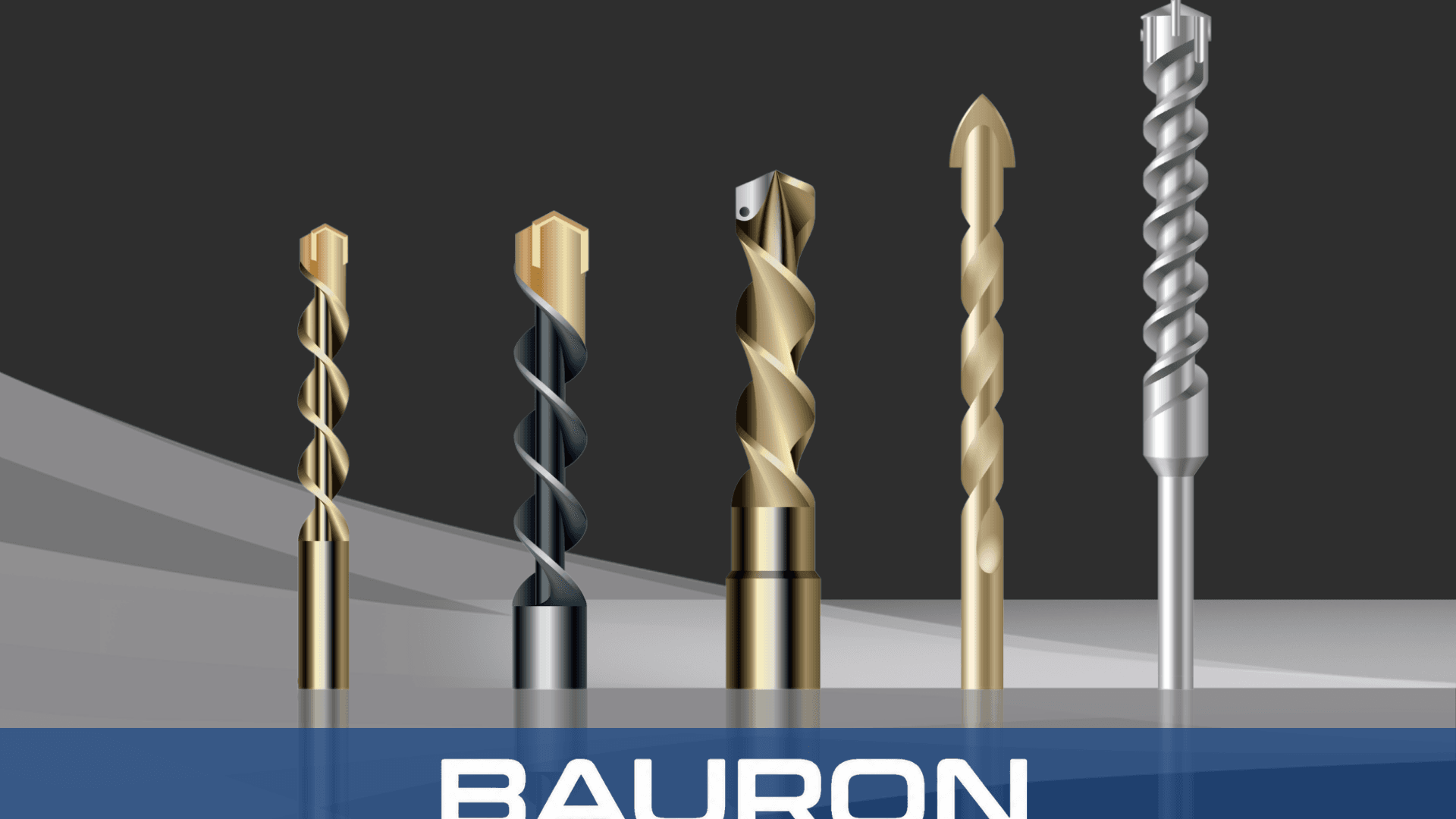
A carbide glass tile bit uses a sharp, spear-like tip to prevent walking on slick surfaces.
Diamond-coated versions support faster cutting and core ejection.
Round or hex shanks fit standard handheld power drills.
Abrasive cutting geometry supports a smooth, chip-controlled hole perimeter.
Designed to withstand friction in hard ceramics when properly lubricated.
| Specification | Range / Details |
|---|---|
| Diameter Range | 1/8" to 2" (Larger hole saws available for plumbing) |
| Tip Design | Spear Point (Carbide) or Hollow Core (Diamond) |
| Shank Type | Straight Cylindrical or 1/4" Hex |
| Operation Speed | Low RPM strictly required (300-600 RPM) |
| Lubrication | Continuous water or specialized cutting fluid mandatory |
| Application Type | Glass, ceramic, porcelain, and marble |
| Material / Coating | Best For | Key Advantage |
|---|---|---|
| Carbide-Tipped (Spear) | Standard ceramic tiles and non-tempered glass. | A cost-effective tile-drilling option with accurate starting geometry. |
| Diamond-Coated (Core) | Porcelain, hard glass, and marble. | Grinds hard ceramics quickly and cleanly. |
| Masonry Carbide | Brick, block, and soft stone tiles. | Provides impact resistance for rougher materials. |
Carbide spear points suit standard ceramic and non-tempered glass, diamond-coated core bits suit harder porcelain, glass, and marble, and masonry carbide supports brick, block, and soft stone tile.
A common contractor setup that must be operated at low speed with high torque and without hammer action.
Provide vertical stability and constant pressure for thick glass panes in fabrication shops.
Support high-volume, precise hole cutting in automated glass manufacturing environments.
Bores holes through porcelain and ceramic shower tiles for mounting grab bars and towel racks.
Uses specialized bits for glass to create mounting holes in mirrors while reducing fracture risk.
Drills plumbing bulkhead holes through thick glass tanks.
Cuts clearance holes for electrical outlets in decorative glass tiles.
A carbide spear point is effective and economical for standard ceramic wall tile or regular non-tempered glass. Diamond-coated glass drill bits are better suited to hard porcelain floor tile, marble, or very thick glass, where carbide can dull or overheat quickly.
Yes. Drilling generates friction and heat. Water cools the bit and helps prevent glass or tile from expanding and cracking due to thermal shock.
No. Percussive hammer action can shatter glass, ceramic, and porcelain. Use standard rotary mode at low speed.
Place masking tape over the drilling point to provide initial grip. For diamond core bits, begin at a slight angle to score a crescent, then gradually raise the drill to vertical.
No. Tempered glass is designed to shatter when its structure is compromised. Holes must be drilled before the glass is tempered.
Bauron provides design and engineering support for application-specific tooling requirements. Share the geometry, material, coating needs, and machining challenge for technical review.
Talk to Engineering