Dual-Face Shearing
The two angled cutting faces shear both sides of a V profile during the same pass.

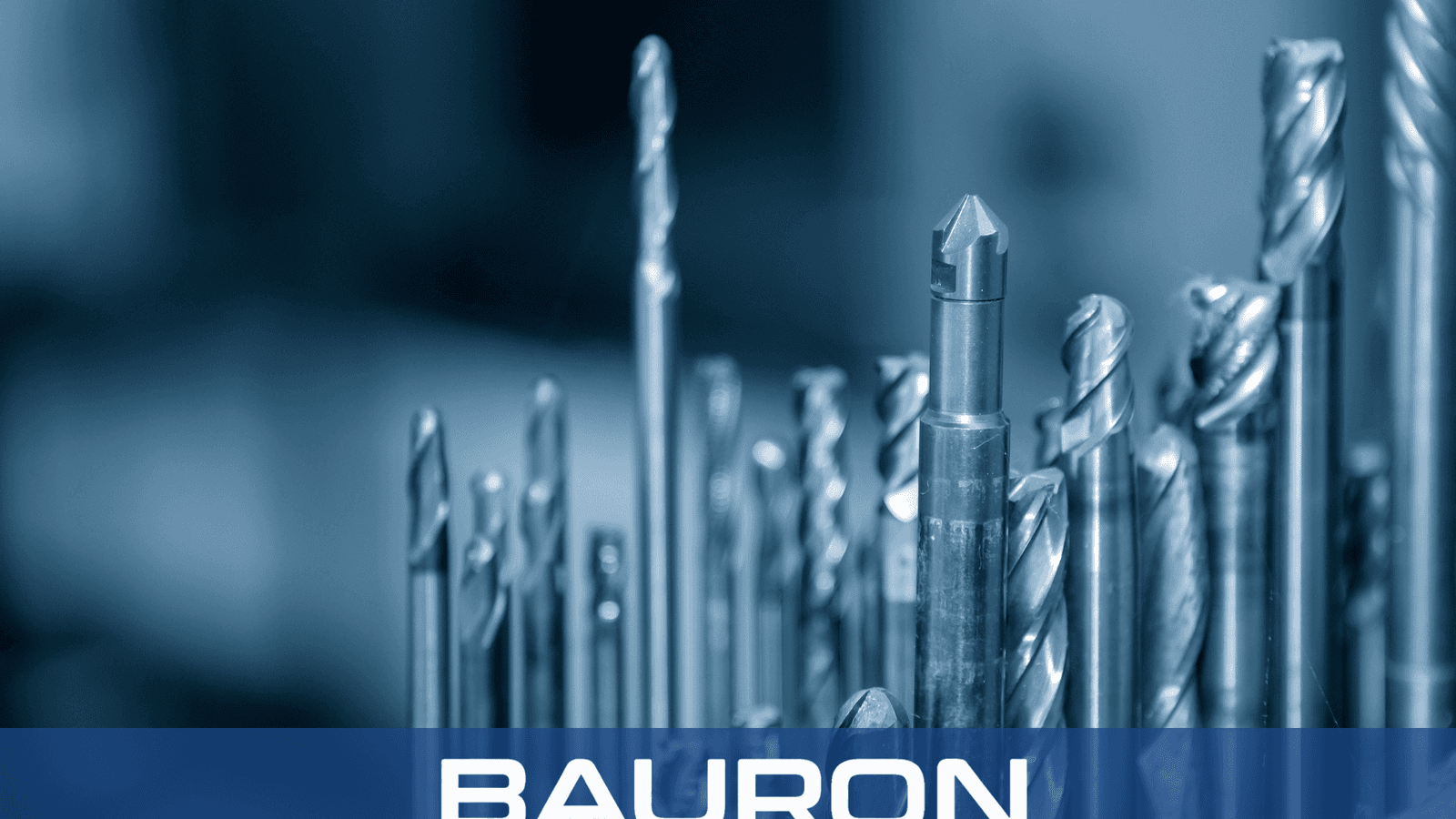
A double angle cutter is a form-milling tool with a pointed or flat-tipped V profile on a cylindrical shank. Its two opposing angular faces cut internal and external V profiles, chamfers, thread forms, and serrations without reorienting the tool.
The two angled cutting faces shear both sides of a V profile during the same pass.
Linear or helical toolpaths produce 60°, 90°, or custom angular grooves and thread forms.
The upper and lower faces can bevel top and underside edges of workpiece steps in one setup.
A solid cylindrical shank supports concentric mounting in standard CNC chucks and collets.
Cuts both sides of an angular profile together to reduce the number of machining passes.
Bevels top and bottom slot edges without flipping the workpiece.
Ground profile geometry supports repeatable angular dimensions across production runs.
The solid shank helps limit chatter and deflection during angular slotting.
Available with 3, 4, 6, or 8 flutes to suit chip-load and feed requirements.
| Specification | Range / Details |
|---|---|
| Cutter Diameter Range | 1/4 in to 1-1/2 in+; metric 6 mm to 40 mm+ available |
| Included Angles | 45°, 60°, 90°, and 120°; symmetrical or asymmetrical angles |
| Tip Style | Sharp V point or truncated flat tip |
| Flute Count | 3, 4, 6, or 8 flutes |
| Shank Style | Straight cylindrical or Weldon flat shank |
| Operation Type | V-grooving, thread milling, dual chamfering, and serrating |
| Material / Coating | Best For | Key Advantage |
|---|---|---|
| Solid Carbide | Hardened steels, stainless steel, titanium, and cast iron. | Core rigidity helps limit deflection during V-slotting operations. |
| TiAlN / AlTiN Coating | Tough alloy steels, high-temperature metals, and dry milling. | Thermal stability helps protect V-point cutting lips from friction-related wear. |
| DLC / CrN Coating | Aluminum, brass, copper, and non-ferrous alloys. | Low friction helps reduce material welding and built-up edge on angular flutes. |
Solid carbide supports rigid angular cutting, TiAlN or AlTiN addresses high-temperature alloy applications, and DLC or CrN helps reduce adhesion in non-ferrous materials.
3-, 4-, and 5-axis centers run V-grooving, thread-milling, and chamfering operations.
Live-tooling stations machine thread forms, cross features, and serrations on turned parts.
Use these cutters for V-track and serration-plate milling.
Machines large-pitch internal and external thread profiles in alloy components.
Cuts 60° and 90° positioning notches, spline teeth, and serration tracks.
Bevels top edges and underside shoulders of slots without a second fixture setup.
Machines gripping teeth on surgical forceps and clamping fixtures.
A single angle cutter has one angular cutting face. A double angle cutter has two converging faces, allowing it to cut both sides of a groove or opposing chamfers.
Yes. Cutters ground to a suitable included angle, such as 60° for common UNC, UNF, and metric thread forms, can mill threads on bores and external shafts.
Use a sharp V point for sharp-bottom grooves, fine serrations, or small thread roots. A truncated tip provides more material at the tip for clearance slots, shoulder chamfering, and heavier V-grooving.
Yes. The lower angular face can pass through a slot or bore and cut upward to chamfer a bottom edge.
Bauron can review asymmetrical angles, web thicknesses, shank diameters, and coating requirements from manufacturing drawings.
Bauron provides design and engineering support for custom geometries and coating selections. Share the profile, workpiece material, tolerances, machine, and production requirements for technical review.
Talk to Engineering