Extended-Reach Profiling
Reduced-neck shanks reach inside curved intake runners while limiting shank rubbing and holder interference.

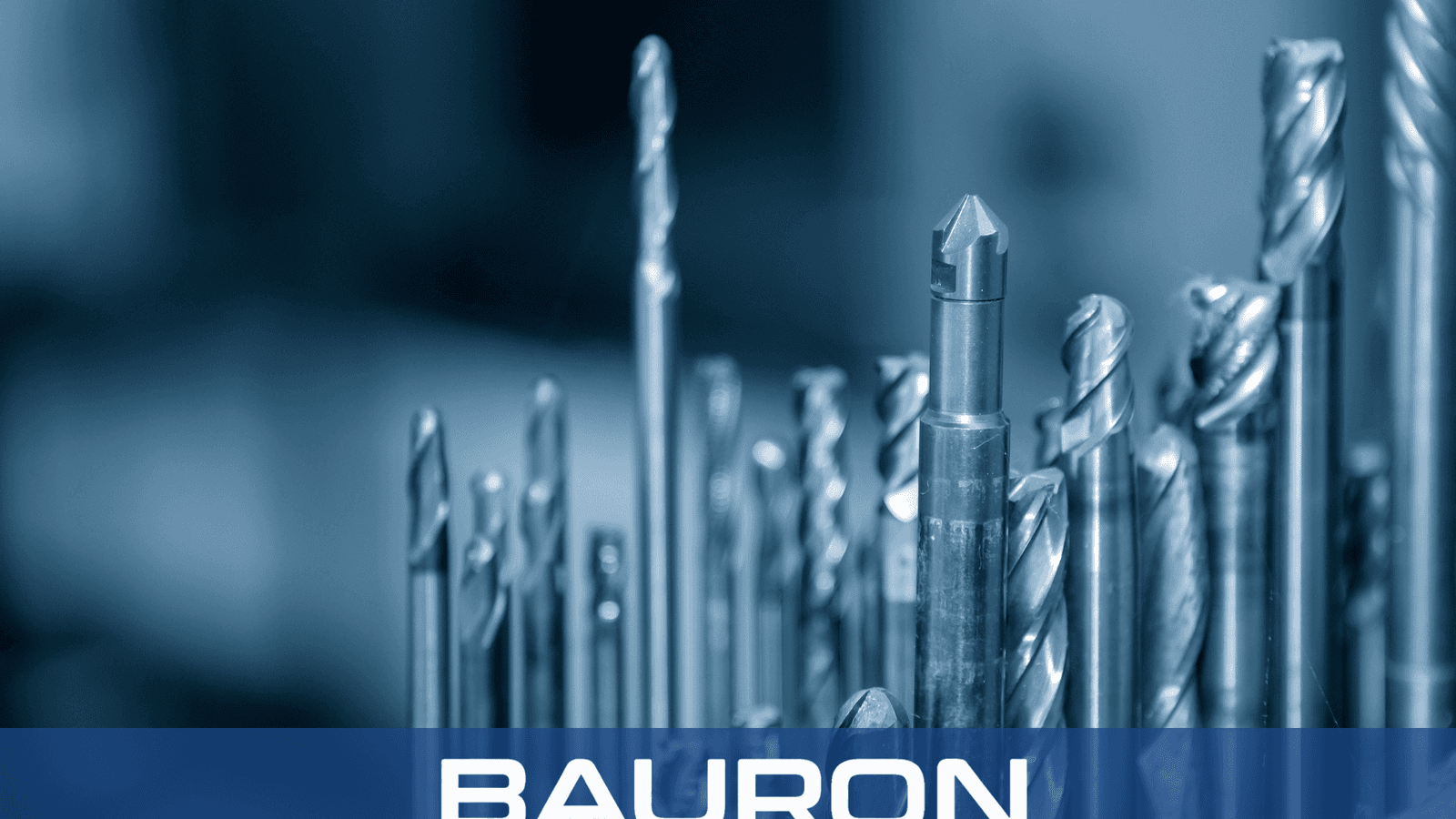
Porting tools include lollipop tools, carbide burs, and tapered ball cutters built to sculpt curved internal passages that standard tools cannot reach. Driven by 5-axis CNC machining centers or high-speed die grinders, they enlarge and finish internal port geometries in engine and hydraulic blocks.
Reduced-neck shanks reach inside curved intake runners while limiting shank rubbing and holder interference.
High-rake polished flutes cut soft aluminum alloys while reducing chip packing and metal loading.
Spherical and tapered heads maintain surface contact across organic 3D fluid-port toolpaths.
The tools leave a uniform micro-textured or polished port-wall surface.
Smooths internal boundaries to support increased airflow and volumetric efficiency.
Open fluting and low-friction coatings help prevent non-ferrous metals from welding to cutting edges.
Shank lengths up to 12x diameter navigate complex curved port designs.
Tapered neck options help suppress chatter in deep cavities.
Ground profiles support consistent port-to-port volume across multi-cylinder engine banks.
| Specification | Range / Details |
|---|---|
| Cutter Head Shapes | Spherical (lollipop), tapered ball nose, tree shape, or flame profile |
| Diameter Range | 1/8" to 1"+; metric 3 mm to 25 mm+ available |
| Shank Lengths | Extended-reach shanks with 3", 4", 6", and 8"+ reach options |
| Flute Geometries | Single cut, double cut, or aluminum open-flute non-ferrous rake |
| Shank Diameters | 1/8", 1/4", 3/8", 6 mm, and 12 mm standard CNC shanks |
| Operation Type | Internal port sculpting, combustion chamber blending, and runner profiling |
| Material / Coating | Best For | Key Advantage |
|---|---|---|
| Solid Carbide | Cast aluminum, cast iron, titanium, and stainless steel. | Structural stiffness helps prevent chatter during long-reach 3D profiling. |
| DLC / ZrN Coating | Soft aluminum cylinder heads and non-ferrous alloys. | Low friction helps limit built-up edge and chip welding. |
| AlTiN / nACo Coating | Cast iron heads, high-temperature exhaust housings, and steel. | Thermal oxidation resistance protects cutting edges in ferrous materials. |
Solid carbide provides stiffness for long reach, DLC or ZrN helps control aluminum buildup, and AlTiN or nACo supports ferrous and high-temperature porting work.
Run continuous multi-axis 3D runner-profiling toolpaths.
Use multi-angle fixtures for linear porting passes and chamber profiling.
Support manual head porting and hand blending in engine-building shops.
Sculpts intake and exhaust runners with aluminum cylinder head porting tools.
Matches intake-runner transitions to cylinder-head ports.
Profiles internal fluid passages and valve cavities in high-pressure manifolds.
Smooths casting imperfections in turbocharger housings and performance exhaust manifolds.
Aluminum porting tools use deep, wide flute valleys, high rake angles, and polished flutes. This open geometry gives soft aluminum chips room to clear instead of loading the tool.
Their spherical head can wrap around up to 300 degrees on a reduced-neck shank, allowing a 5-axis machine to reach curved ports and undercut valve pockets with top, side, and backside engagement.
DLC or ZrN coatings are recommended for non-ferrous porting because their low friction helps prevent hot aluminum from welding to flute edges.
For tools over four inches long, the source recommends 15,000–30,000 RPM, light radial pass depths, tapered shank bases for stiffness, and high-pressure air blast for chip clearing.
Bauron can engineer custom head diameters, neck tapers, reach lengths, and non-ferrous DLC coatings for 3D porting CAD models.
Bauron provides design and engineering support for tooling requirements. The engineering team works with customers on custom geometries, specialized coatings, and complex machining challenges.
Talk to Engineering