Machine Mounting
The straight or tapered shank is secured in a compatible machine chuck, collet, or holder.

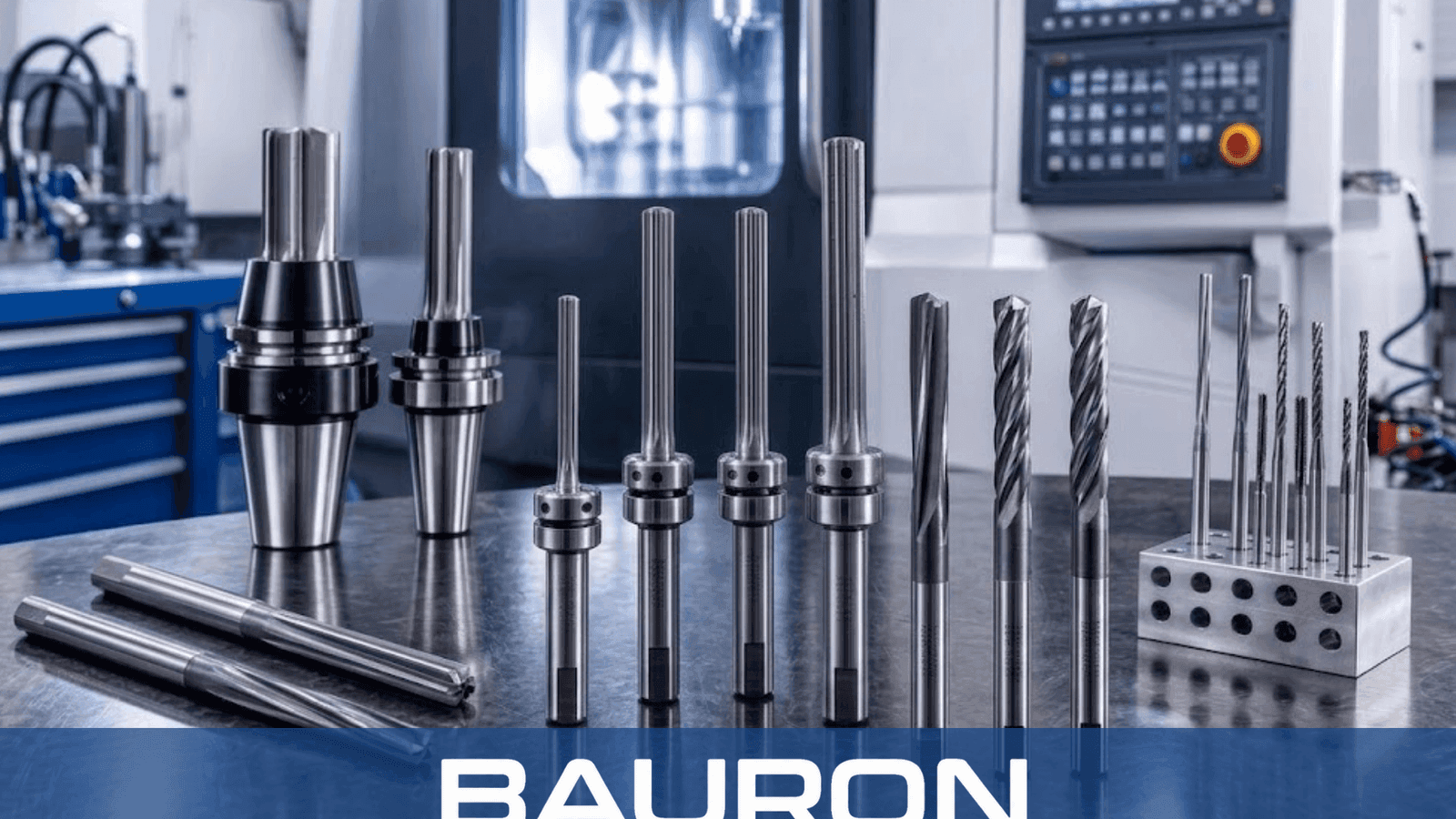
Chucking reamers are fixed-size, solid-body finishing tools used in rigid machine setups to produce accurate hole diameters and smooth internal surfaces in production.
The straight or tapered shank is secured in a compatible machine chuck, collet, or holder.
A chamfered cutting tip aligns and guides the reamer into the pre-drilled hole.
Rotating flutes remove a small amount of material from the hole wall to reach final size.
The flutes carry cut material away from the cutting edges to support a clean bore.
Provides rigidity to limit deflection in machine cycles.
Guides the tool into a pre-drilled hole.
Straight and tapered options fit compatible machine holders.
Support accurate final hole sizing and surface finishing.
Distribute cutting forces across several edges to reduce vibration and chatter.
Supports repeatable hole dimensions when setup and cutting conditions are controlled.
| Specification | Range / Details |
|---|---|
| Diameter Range | 1/64" to 2" in standard, metric, wire, and letter sizes |
| Flute Type | Straight, right-hand spiral, or left-hand spiral |
| Shank Type | Straight cylindrical or Morse taper |
| Number of Flutes | 4 to 8, depending on tool diameter |
| Tolerance | Precision ground to H7 or custom specifications |
| Operation Type | Machine hole-finishing operations |
| Material / Coating | Best For | Key Advantage |
|---|---|---|
| HSS (High-Speed Steel) | General machining in mild steel and aluminum. | Provides toughness and economical performance for standard production. |
| Solid Carbide | High-volume CNC production and abrasive materials. | Provides high rigidity, heat resistance, and edge retention. |
| Cobalt Steel (HSS-Co) | Harder alloys and interrupted cuts. | Adds heat resistance while retaining toughness. |
HSS offers toughness for general production, solid carbide provides rigidity and wear resistance for stable high-volume setups, and cobalt steel adds heat resistance for harder materials and interrupted cuts.
Use rigid holders for automated precision hole finishing.
Mount reamers in turrets to size internal diameters in rotating cylindrical parts.
Use controlled feed for repeatable vertical finishing cuts.
Sizes holes for press-fit dowel pins used to align mechanical assemblies.
Finishes internal diameters to the specified fit for rotating bearings.
Sizes fluid-control passages where roundness and fit affect sealing.
Machines repetitive holes in connecting rods, engine blocks, and related components.
Chucking reamers use round or tapered shanks and a shorter lead chamfer for machine mounting. Hand reamers use a square shank and a longer entry taper for manual starting.
Straight flutes suit general through-holes. Right-hand spiral flutes pull chips upward from blind holes, while left-hand spiral flutes push chips forward and can reduce snagging in interrupted holes or keyways.
The stated standard is H7 dimensional tolerance, with custom decimal specifications available where an application requires a different tolerance.
Yes. They are finishing tools and require a pre-drilled hole slightly smaller than the target diameter.
Custom designs can specify diameter, length, shank style, flute geometry, tolerance, and coating.
Bauron provides design and engineering support for custom chucking reamer diameters, tolerances, lengths, shanks, flute geometries, substrates, and coatings. Share the hole and machine requirements for technical review.
Talk to Engineering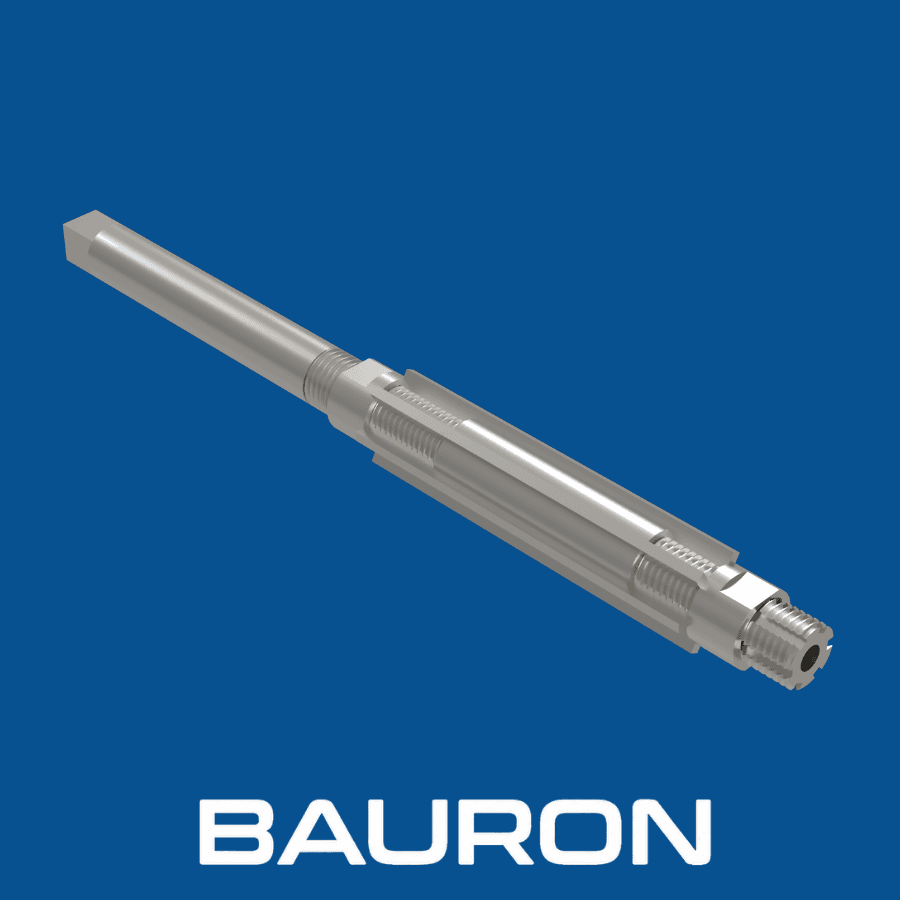
Adjustable reamers are precision cutting tools with expandable blade mechanisms for enlarging and finishing pre-drilled holes to standard or non-standard diameters.
View Product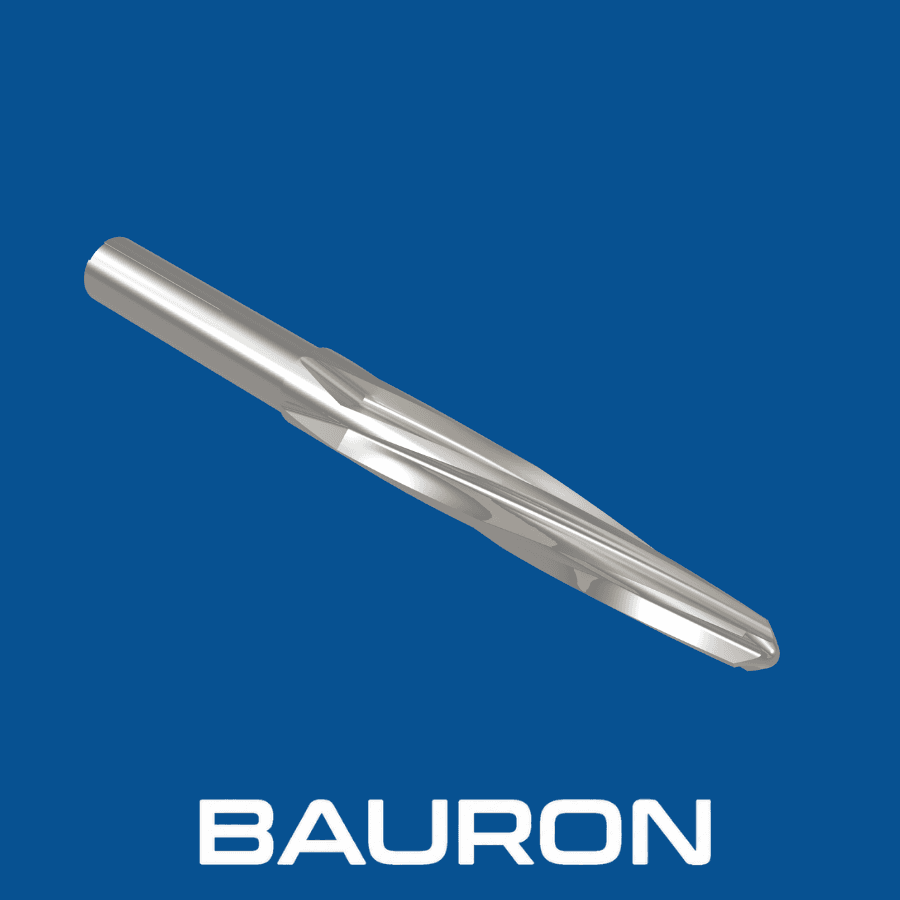
A bridge reamer is a heavy-duty tapered cutting tool used to align and enlarge mismatched holes in overlapping structural steel plates.
View Product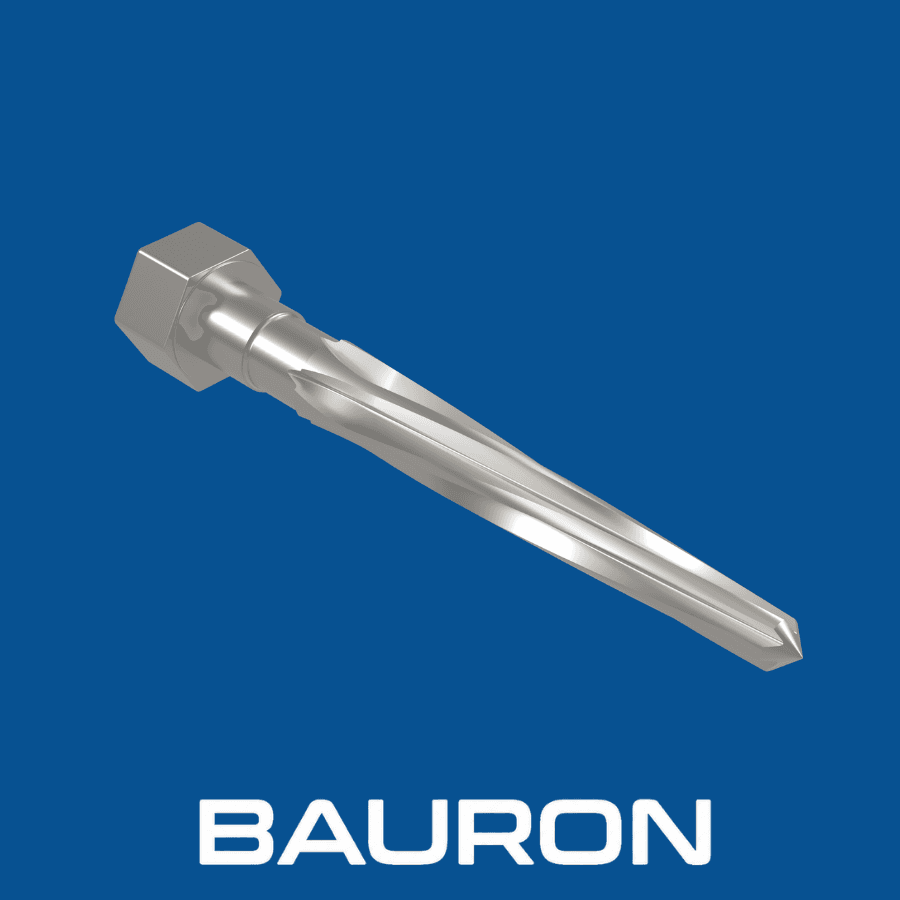
A car reamer is a heavy-duty cutting tool for enlarging and aligning undersized or mismatched holes in thick metal plates, railcars, truck frames, and structural assemblies.
View Product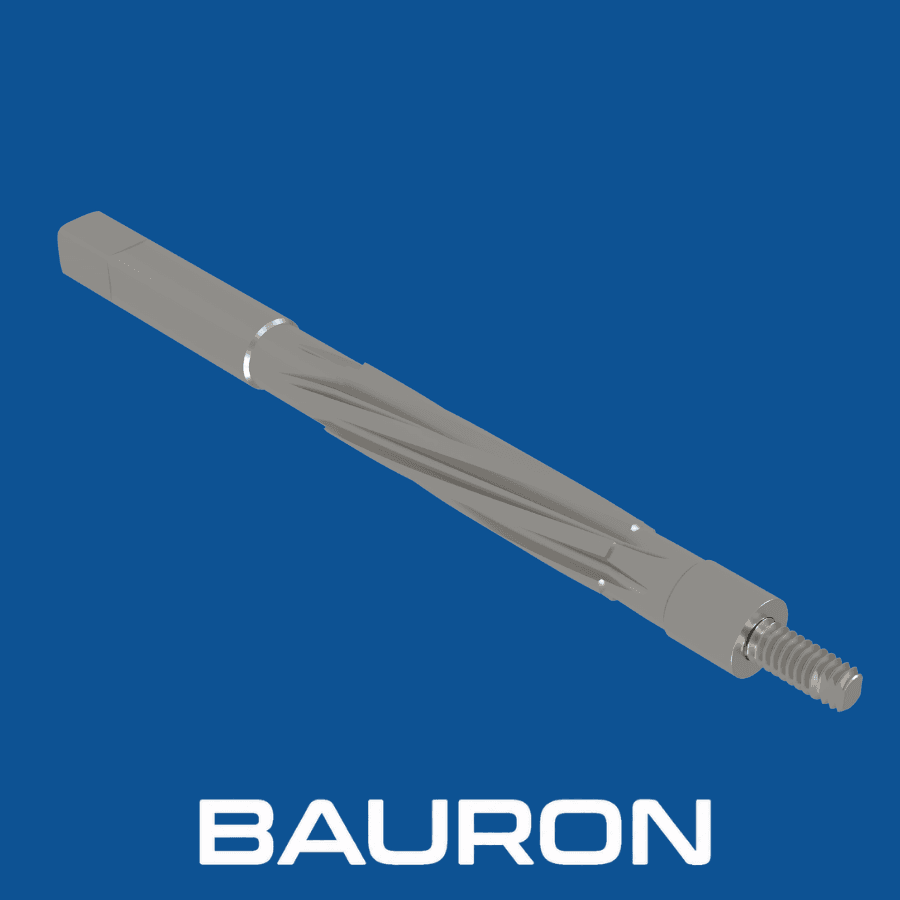
A chamber reamer is a precision cutting tool used to machine the internal cartridge profile of a firearm barrel, including the chamber body, shoulder, neck, and throat.
View ProductWork with Bauron's engineering team to develop a cutting tool tailored to your application, material and machining requirements.